
Impact Report 2024-2025
Message from the Dean
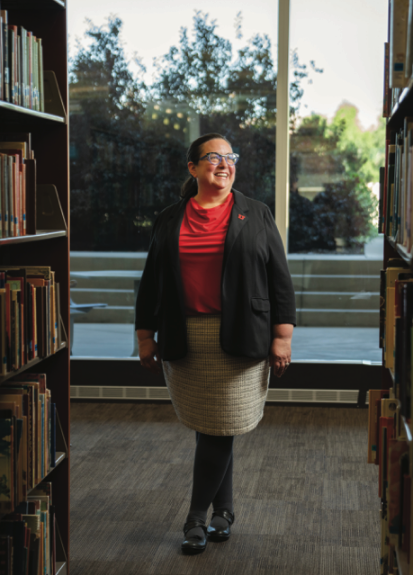
Dean's Message: Impact 2030 and the Marriott Library
I am both humbled and inspired when I think of how the library folds into President Randall’s vision of improving the lives of all Utahns and delivering unsurpassed societal impact.
The University of Utah’s five-year strategic plan, Impact 2030, includes a number of important, visionary goals that align with three strategic pillars: 1. Student Success 2. Research and Innovation, and 3. Service to Our Community.
Student Success
Students come to the library for a myriad of reasons: a quiet study environment, collaborative spaces, books, databases and journals, Special Collections, computing resources, and sometimes to take a nap in one of our wonderful womb chairs. But student success goes beyond this. It’s about our librarians who go into classrooms to teach students how to do citations. It’s about taking the time to provide guidance to the new students and working directly with first-generation students. It’s also about helping a student create a 3D item or a poster that they need for an assignment. The list goes on, but the theme stays the same; it’s about meeting students on their level, on their time, to provide whatever it is that they need to succeed.
Research and Innovation
At the heart of any tier-one research university is the library, staying current on the academic journals that both faculty and students need to conduct their research. This involves working closely with researchers to ensure we are meeting their needs and spending collections funding strategically. Likewise, we assign specific librarians to focus on the innovators of campus, providing everything from patent and trademark guidance to research assistance. Importantly, our data librarians work with researchers and innovators on safely archiving their data sets and sharing their research findings with collaborators, and, ultimately, the public.
Service to Our Community
We support numerous communities—both local and global. We provide programming such as the Gould Lecture on Technology and the Quality of Life and our annual Banned Books event. Our Book Arts Program includes K-12 educator workshops as well as the Treasure Chest Program where staff take facsimiles to schools and children learn to make books. This last year, our Special Collections staff worked with members of the Northwestern Band of the Shoshone Nation and with students in the College of Humanities to bring collections out of the shadows.
There are so many incredible things happening within the walls of the Marriott Library which wouldn’t be possible without donors and friends like you. Please know how much your contributions and support are appreciated and how much good they do for students, researchers, and the community.
Sincerely,
Sarah Shreeves, Alice Sheets Marriott Dean of Libraries
Filling Technology Gaps for Students
More than two-thirds of college students struggle with the cost of higher education. After tuition, technology like laptops is the biggest pain point in those costs. According to a piece by NPR, “10 percent of the nation’s college students—that’s about 2 million people—don’t have access to a laptop for school.” One study also found that, after controlling for socioeconomic status and other demographic factors, under-connected students even had lower GPAs.
To help bridge this gap, the Marriott Library has two important programs.
Tech Lending
In 2013, the Marriott Library made six laptops available for students to borrow, which were available for four hours at a time. As the demand grew, this was expanded to 150 laptops that could be checked out for 24 hours at a time. And still the demand from students far exceeded the supply. With the onset of the COVID-19 pandemic, $1.4 million of CARES Act funding supported the purchase of 1,150 laptops that were carefully distributed and cleaned after each use.
Today, the Marriott Library has around 1,800 laptops that are collectively checked out more than 150,000 times every year. In addition to laptops, the library lends power cables, mobile hot spots, VR headsets, graphing and scientific calculators, and more than 200 iPads to students, all free of charge.
To prepare for the next phase of technology lending, the library needs a reliable supply of around 1,200 laptops for 60-day checkouts, or 2,000 if the library is able to return to semester-length checkouts. As the pandemic-era laptops reach the end of life, the library is working to continue this important program by purchasing new laptops, iPads, and other devices.
Laptop Scholarships

Joe Boyden, 2024-25 ASUU Student Body President
In addition to tech lending, the Marriott Library is working with the Office of Financial Aid to pilot a new program in 2026 to create a different kind of scholarship. The Marriott Library Laptop Scholarship will provide a brand new laptop that students will keep throughout their time in college and beyond, for those with the highest financial needs. This pilot program will deeply impact students who are at the highest risk of not completing their education due to lack of access to technology. With more students in need than funding to support them, just $1,300 overcomes a significant obstacle for each student.
Supporting students throughout the library
The Face of Student Success
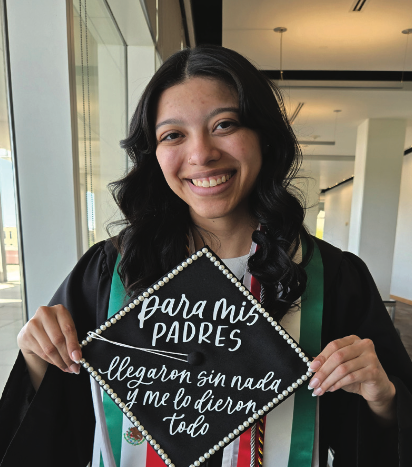 Dressed professionally and offering up a beaming, confident smile, Keisha “Kay” Jimenez arrived at the library right on time for the interview. Kay came here to share the story of her academic journey at the University of Utah and how the library served as her base camp for the last four years.
"Earning a degree in higher education can feel daunting, especially as a first-generation Latina student," explains Kay, who graduated last May with a Bachelor of Science in Psychology and a minor in Human Development and Family Studies. "It’s uncharted territory, and you often find yourself unsure of what to expect or who to turn to for answers to all your questions."
Not only is Kay a first-gen student, but she completed her degree in four years while working fulltime—a feat not many accomplish. For the first three years, she worked as a medical assistant at a few different clinics, gaining experience in various specialties. She currently works at Primary Children’s Medical Center (PCMC), where she has been for the last year.
Kay’s experience in healthcare greatly impacted her decision on what degree to pursue. "My passion is helping others, and at first I thought my calling was nursing. But I later realized I wanted to help people in a different way. Witnessing how much PCMC social workers contributed to patients' overall experience and recovery left a lasting impression on me,” Kay shares.
With this new vision and direction, Kay switched her major to psychology and started applying to graduate programs. She recently started the Master of Social Work program at Weber State University this fall. "No one in my family has pursued a master’s degree," says Kay. "I’ll admit it’s a bit intimidating, but the support and pride from my family help me stay grounded. I know I’m following the path that feels right for me."
Juggling a full-time job, a heavy course load and living on her own, Kay needed a stable, supportive environment. "The library became my second home. I knew I could ask any question and get a helpful answer, but I also enjoyed being in a place that was lively and bustling. I honestly can't count how many days, weekends, and nights I spent there, but I can confidently say the library was a cornerstone of my success."
When asked about her favorite parts of the library, Kay responds with a big smile, "Definitely the large, comfortable booths on level one. Some of my fondest memories at the U are studying with classmates for hours at those booths. I also appreciate the study treadmills. The thoughtful details throughout the library show that the staff genuinely cares about students."
Finding Support and Community in ProtoSpace with Games Major Gojo Zhang
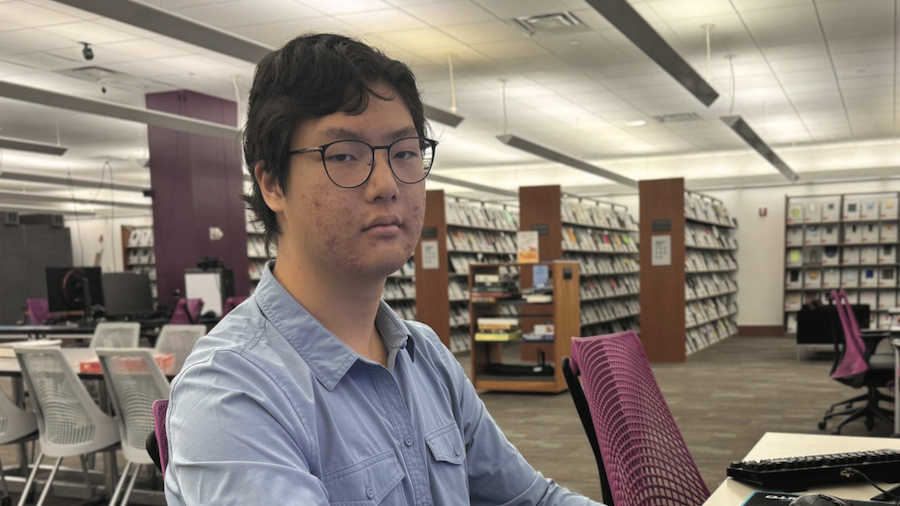
When he was 14, Gojo, originally from Japan, attended Oxford University and graduated with two undergraduate degrees in physics and cosmology. Now, at 18, he's working on his graduate degree in games, through the Entertainment Arts and Engineering program.
Not only is Gojo a games major at the University, but he's also a top-ranked Fortnite player. "I came to the University of Utah for my Master's Degree in Games," explained Zhang. "I picked games over physics because I love gaming that much."
Gojo spends a lot of time in building 72, the games building, but has found connections in ProtoSpace at the Marriott Library. "I came to love ProtoSpace because I had more friends there. I recently met my new best friend there, Iverson. If not for ProtoSpace, I would have never found him."
To those who have yet to check out ProtoSpace, Gojo recommends simply coming in, finding a station and trying it out. In addition to the help desk in ProtoSpace, the staff hold weekly "How-to ProtoSpace" events to help students learn new skills using tools in the space such as 3D scanning and printing, artificial intelligence, VR, sewing, and more.
Improve your college experience in ProtoSpace
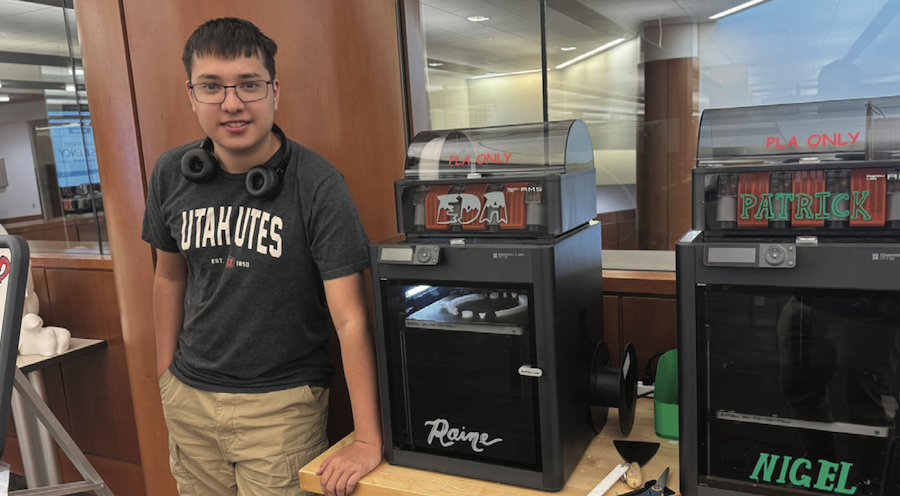 "My college experience has been vastly improved since I started using ProtoSpace more frequently," explained games major Ben Ramirez, as he checked in on a 3D print in ProtoSpace at the Marriott Library. He was working on an armor set for a cosplay for the upcoming Fan X convention. Though the printing of these kinds of parts was not a common occurrence, his visits to ProtoSpace have become increasingly frequent after discovering it. "Not only is ProtoSpace a great place for recreational activities like these, but it has also allowed me to develop skills related to my games major," said Ben.
According to the Princeton Review, the University of Utah’s Division of Games was "ranked #1 in the world among public institutions for undergraduate game design and #2 for graduate programs." Having the technology and space to support this program is an important priority for the library—not to mention the large collection of games available to check out.
All the technology and resources could be intimidating or distracting for new students, but Ben shared some advice that helped him. "While yes, ProtoSpace has technology that could serve as a distraction, it's also a creative space with a lot more than that. There are resources available to help with projects and creative works. It's also a good space for meeting new people. I'd start with interacting with people at the ProtoSpace desk first, and then maybe engaging in an activity or two with other students in the space."
Book Arts Program
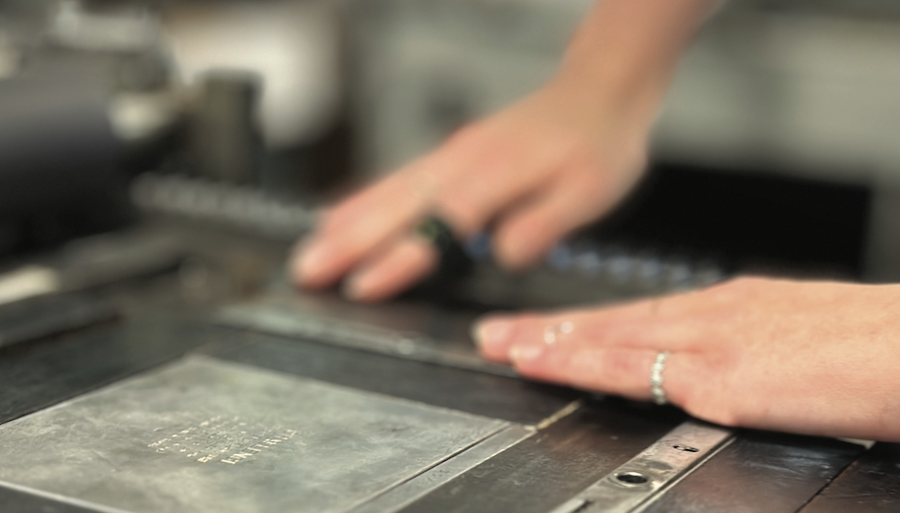
On the fourth floor of the Marriott Library, nestled in Special Collections, you’ll find the Marriott Library’s Book Arts Studio with rows of manual printing presses from the mid-nineteenth century and one of the largest university collections of moveable type in the United States.
With a new book arts emphasis in the Studio Art major offered through the Department of Art and Art History, the Book Arts Program sought a way to encourage aspiring book artists and attract new scholars.
Becky Williams Thomas
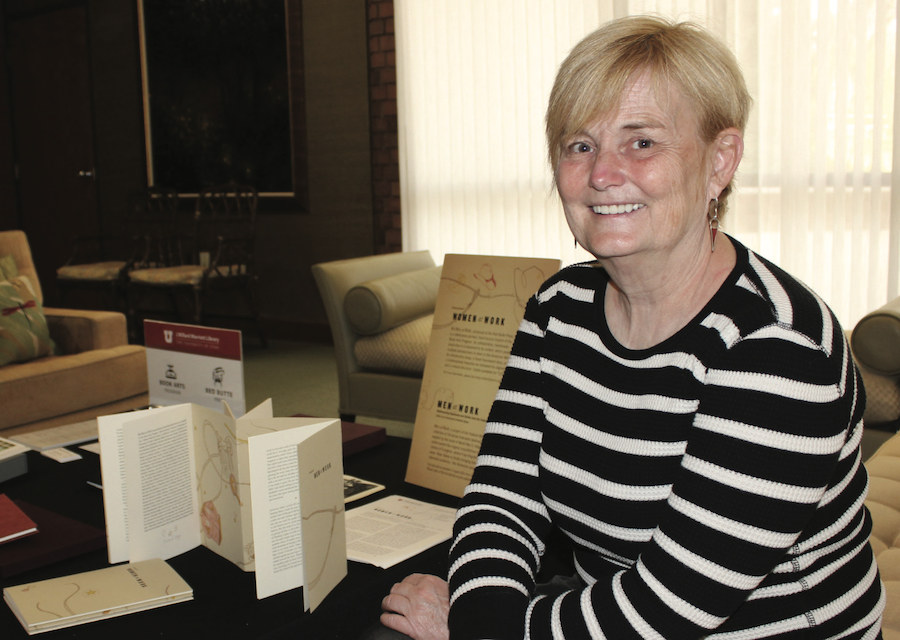 Long before these recent milestones at the Book Arts Program, there was an iconic employee, who was also an exceptional mother, scholar, poet, and book artist. For four years, Becky Williams Thomas worked for the Book Arts Program as a brilliant grant writer and dedicated educator before continuing to engage with the program as a volunteer. Masterfully, Becky made connections between people and ideas and excelled at fostering exploration and growth among those around her.
Becky grew up in Salt Lake City, attended East High School, and earned a degree in Nursing from the University of Utah. She went on to a brief career assisting patients at Primary Children’s Medical Center in the psychiatric ward before turning her full attention to her three children.
As her children grew and left home, Becky rededicated herself to scholarship, art, and the wilderness. As a non-traditional student, she re-enrolled at her alma mater to obtain a Bachelor’s Degree in English and then moved on to higher levels of academia in the fields of poetry and book arts. At the Book Arts Studio, Becky found a second home, working with students, many of whom were younger than her own children. She became immersed in writing poetry and creating artists’ books.
She was known to talk at length on the topic of literary constraints and the glory of La Disparition, in which Perec avoided the letter "e" in its entirety. She went so far as to rationalize not repairing a broken oven as application of constraints in cooking. She took the skills inherited from her mother to evolve from "seamstress" to "fiber artist," creating works displayed in galleries where she was embraced by the academic and artistic communities. The resulting friendships persisted to the end, providing comfort at her bedside when she passed away in April 2024.
Earlier this year, in memory of Becky’s life and her passions, Becky's children, Nate, Abby, and Libby established the Becky Williams Thomas Endowed Fund, which supports emerging book artists and honors her impactful legacy in perpetuity. In addition to this fund, the Book Arts Program offers scholarships, graduate assistantships, and purchase awards funded by generous private gifts.
240 classes
2,388 participants
The Book Arts Program enriched creative and curricular experiences through 182 academic and 58 community sessions with a combined 2,388 participants during the 2024-2025 year, contributing to a dynamic, hands-on learning environment.
By the Numbers: Fiscal Year 2024-2025
Study Room Reservations: 32,235
The library has 40 study rooms available for students to connect in groups, individually and attend online classes and other meetings.
1-1 Research Consultations: 12,251
Library faculty and staff delivered 988 instruction sessions to 18,895 students and held 12,251 one-on-one consultations.
Reference Sessions: 31,479
Students sought help 28,116 times in person and 3,363 virtually to receive research support, reference guidance, technology, and equipment training, etc.
Rare Pages Digitized: 89,515
The library digitized manuscripts and paper materials, dramatically increasing discoverability while reducing handling of fragile or unique physical items.
Total number of visitors to the Marriott Library: 1,184,260
The total number of people visiting the library in a year is equal to the total attendance of more than three and a half seasons of home football games at Rice-Eccles Stadium.
Journal Article Downloads: 3.18 million
eBook Downloads: 509,266
Media Streams: 116,385
Database Item Requests: 1,245,612
Special Collections
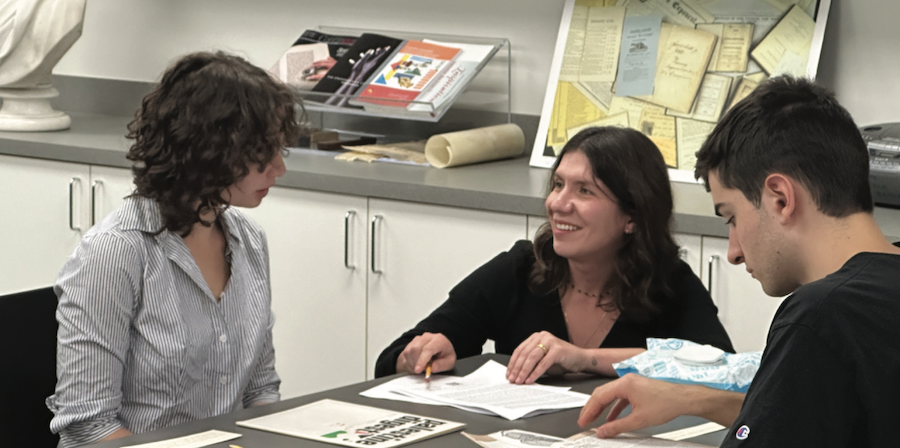
Rare Books Librarian, Lyuba Basin, teaching a class
The Special Collections Division preserves and provides access to rare and original materials, including books, maps, manuscripts, and multimedia, documenting local and global history. Its extensive preservation program and unique collections support scholarly research and community engagement, ensuring the longevity of these distinctive resources.
Last year, the Rare Books Department made some exciting purchases with endowed and donor funds including 41 medieval manuscript leaves and Wallace Stegner’s personal library.
The Preservation Department held a textile conservation workshop led by Paulette Reading, the textiles conservator for Mountain States Art Conservation. The workshop was a two-day, hands-on experience addressing how to store, conserve, and exhibit historically significant textiles and attracted attendees from the Marriott Library, the Spencer S. Eccles Health Sciences Library, the Alf Engen Ski Museum, the Utah Historical Society, Utah Arts & Museums, and Utah Humanities.
Manuscripts and Multimedia collections were digitized and added to the Digital Library including collections in the Clyde Archive, thousands of photos of the University of Utah ski team, and home movies. Digital access is an essential part of Special Collections’ commitment to accessibility for all researchers.
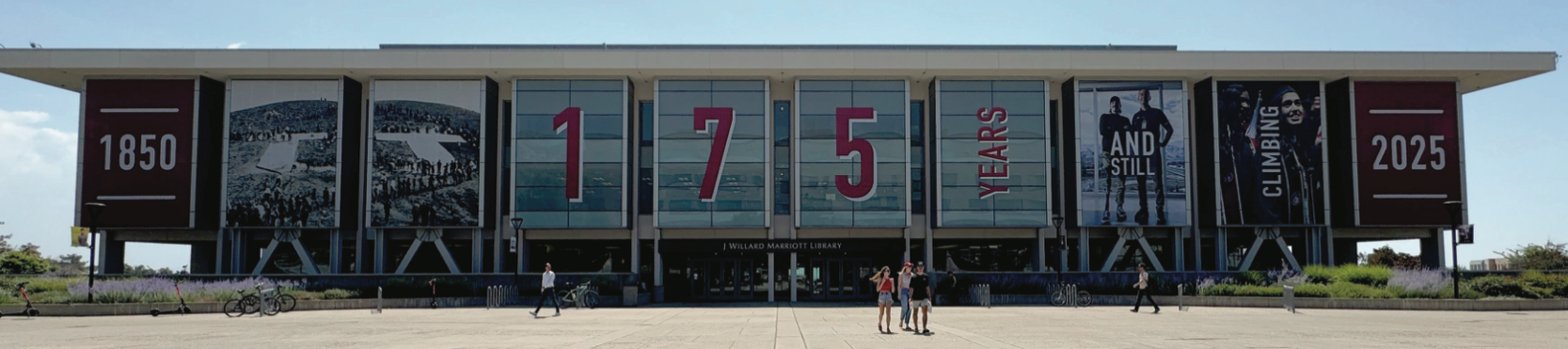
The Multimedia department also published 98 new finding aids with the help of donor-funded, part-time student employees. They also supported the University of Utah’s 175th anniversary with updated exhibitions, a press kit, and photo requests.
More than a thousand appointments were scheduled in the George S. Eccles Reading Room, with 353 unique patrons. Special Collections also offered 124 sessions with university classes and community groups.
Special Collections' Research Appointments: 1,094
Instruction Sessions Hosted by Rare Books Department: 89
Students Attended Rare Books Presentations: 1,605
Using a Modern Technique to Restore Ancient Papyri
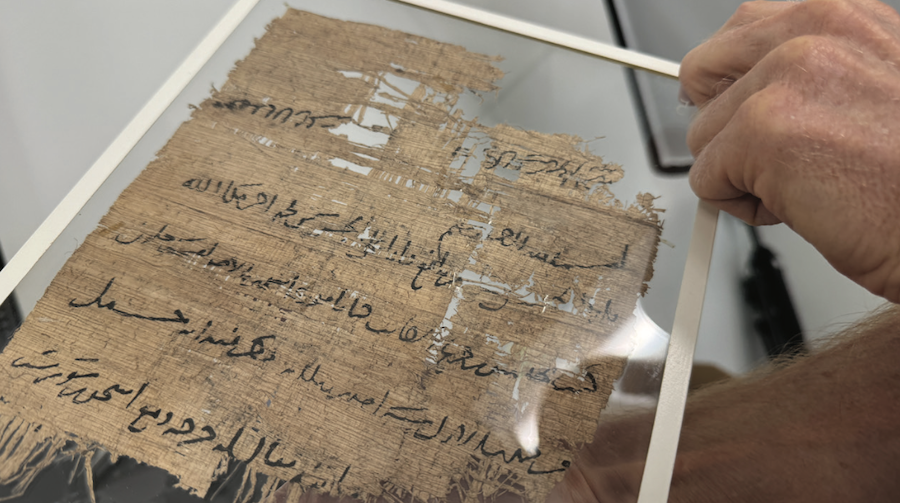
For over 3,000 years, papyrus was the dominant writing material in the Middle East and Mediterranean world before the introduction of paper. Languages as diverse as Egyptian, Greek, and Arabic were written on it. The Special Collections Department of the Marriott Library is home to 770 fragments of Arabic language papyri, dating from the 8th through the 10th centuries CE; it is one of the largest collections of Arabic-language papyri in the United States.
Providing insight into the daily life of the period, the contents of the library’s collection are primarily of an economic character, containing tax receipts, land tenancy, and other business matters. There are also over 100 fragments containing portions of letters and literary texts. All of these comprise part of a larger collection that includes 1,300 early Arabic-language paper and parchment manuscripts and fragments, mostly originating from Egypt.
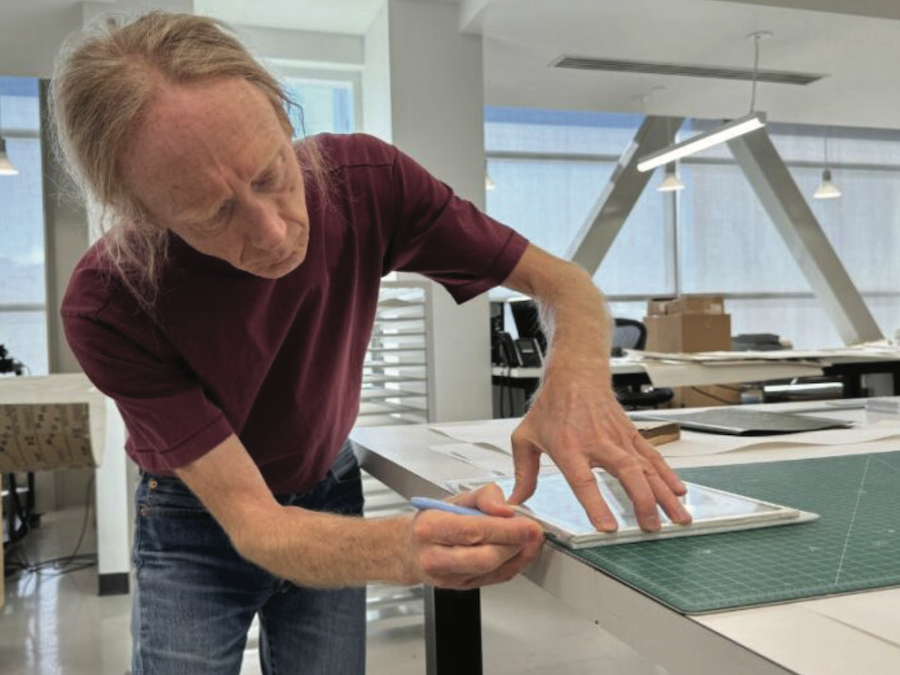
In the summer of 2024, the library’s Preservation Department conservator Jeff Hunt attended a seminar at the University of Michigan on papyrus conservation taught by conservator Marieka Kaye. Jeff learned the techniques in cleaning, repair, and reglazing of papyri, which he is now applying to the papyri collection.
Finally, each fragment will be reglazed in tougher shatter-proof glass, an important consideration in a region susceptible to earthquakes. Each glazed piece will be placed in a foam pouch and placed in hanging folders in storage cabinets that are bolted to the walls and will not fall-over in the event of an earthquake.
Pressure-sensitive tape, commonly used in the past to make repairs, but which can adversely affect all heritage materials, is being replaced by archival materials and water-soluble adhesives that will not damage the fragile material. Jeff is removing the papyri from the old glass, then removing the tape and making minor repairs. All of this will improve the readability, appearance and, stability of the fragments.
Sarah Shreeves, Alice Sheets Marriott Dean of Libraries explains, "The scholarly community at the U is extremely fortunate to have this incredible collection of papyri at their fingertips. These pieces of history are being preserved now so that future generations can further their discovery of the ancient lives and cultures contained in the papyri."
Special Collections Student Support
What makes a library unique is its Special Collections. The Marriott Library is home to the Ski and Snow Sports Archives, which document the history of ski competition on local, national, and international levels, the founding of major resorts, snow safety and avalanche control, ski equipment, ski instruction, freestyle skiing, the 10th Mountain Division, back-country skiing, and virtually every facet of winter sports in Utah and the surrounding region. The archives also include the records and materials related to the 2002 Salt Lake Winter Olympic Games, as well as countless other archives on Utah and the Intermountain West.
For more than 50 years, hundreds of student employees have played a huge part in supporting the work of the library, these archives, and the more than one million patrons who visit the library every year. As the library continues its work in collecting irreplaceable books, photographs, manuscripts, and other materials, students play a pivotal role in preserving history and making it available for existing and future generations. Student jobs not only support the work of the library but also provide unique opportunities for students to learn career skills while also working on campus. As budgets become increasingly tight, and in order to preserve these invaluable student jobs, the student workers in Special Collections are now funded directly by donor gifts.
Henrik Gustafson
Multimedia Archives, Special Collections
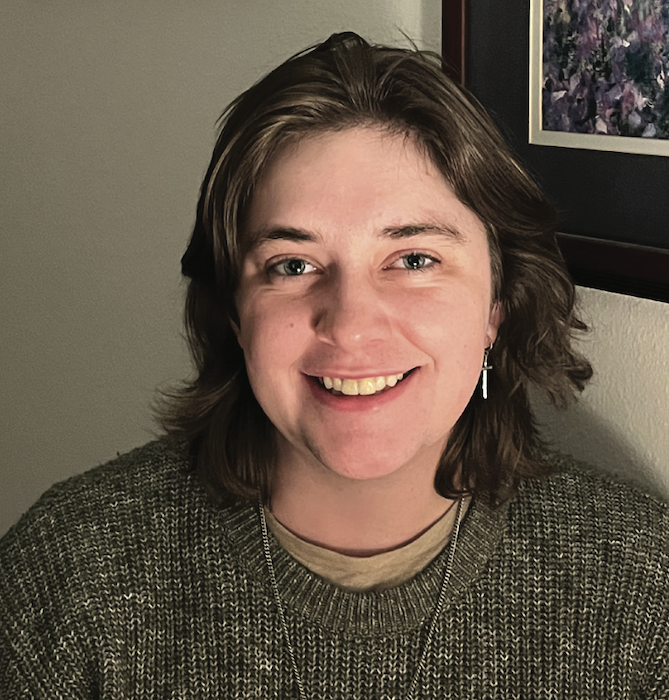
"I got so incredibly lucky with the job that I have. It has opened my eyes to this whole new profession that I wasn't aware of throughout my history degree."
Henrik Gustafson came across the position at the library by chance but quickly learned that the work he'd be doing would be fascinating. "The combination of my customer service experience with my love for history made me well-disposed for the job," shared Gustafson.
"After starting this job, I realized how much fun I had doing this work and how important this work feels to me."
Gustafson recently was able to work on a new exhibit for the University of Utah's 175th anniversary. During the months it took to comb through the U's history to digitize new photos, he discovered that there was a lot of history left out. "We have so many cool things that are going on here, especially sports history that wasn't mentioned before. It was a lot of fun to bring in those other parts of history that were originally left out of the initial exhibit."
Henrik Gustafson just graduated last summer with a Bachelor's Degree in History and a minor in modern dance. He plans on pursuing a Master of Library Science in the future, which he was not planning to do before he started this job.
Hillary Curd
Multimedia Archives, Special Collections
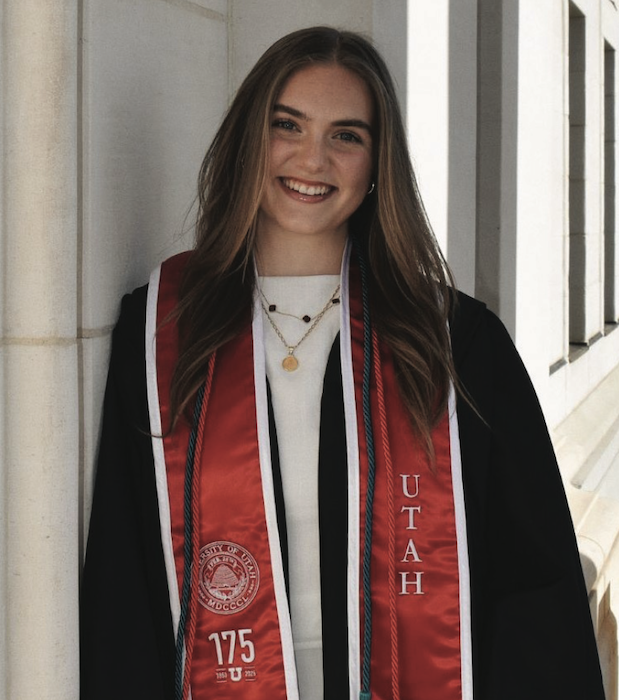
"After graduating, I have talked about my work at the library in every job interview. It shows my attention to detail and organizational skills, and I am very glad to have it on my resume...this position allows students to get the experience they need to be successful."
Working in the multimedia archives, Hillary Curd developed an appreciation for the materials she was working with while also finishing her degrees in Writing and Rhetoric Studies and History Teaching. "I saw how important archives were to building interesting lesson plans and to conducting new historical research," explained Curd.
"Working at the Marriott Library allowed me to get real experience in my desired field while still being on campus."
After gaining a basic understanding of how to conduct historical research in the archives, especially when working on the Ski and Snow Sports collection, Curd's desire for exploring the archives grew. "I loved making sure these photograph captions were thorough so that researchers could easily find helpful materials." Since graduating, Curd has joined the Trust for the National Mall in Washington, DC to work on philanthropy and donor research.
Ben Jeffrey Bryant
Manuscripts Archives, Special Collections

"I’ve always had a love for the preservation of history...so it really stuck out and spoke to me."
Special Collections was a perfect fit for student employee Ben Jeffrey Bryant, especially the manuscripts archives. Bryant is a dual major in English and History, so the important work of archiving history fed right into his studies and "fueled his passion" for what he's doing.
"This has been my favorite job I've ever had; it's a job that doesn't feel draining and it's something I love doing.”
Not only is his work helping students and researchers at the University of Utah, but the larger Utah community as well. Recently, Bryant was able to assist Alta Ski Resort in preparation for their 88th anniversary. Finding photos and information in the archives helped Ben realize how his work affects larger organizations. "Seeing how people and organizations use the archives that we offer and how they can support their work really shows me just how important the work we're doing is."
University of Utah Press
Since July 1, 2024, the press published 16 new titles with an additional five older titles now available as paperbacks. More than 700 titles are now in print.
In celebration of the Press’s 75th anniversary as a scholarly publisher, the following events were hosted:

- Hope, Purpose, and Service in Times of Change with Jody Olsen, author of A Million Miles and 20th Director of The Peace Corps. Cosponsored by the Hinckley Institute, the College of Social and Behavioral Science, the Tanner Center for Human Rights, and the Office for Global Engagement.
- The new series Transregional Middle Easts with Christopher Lowe, the director of the Middle East Center at the University of Utah.
- Utah Humanities Book Festival and the Wasatch Festival of Books.
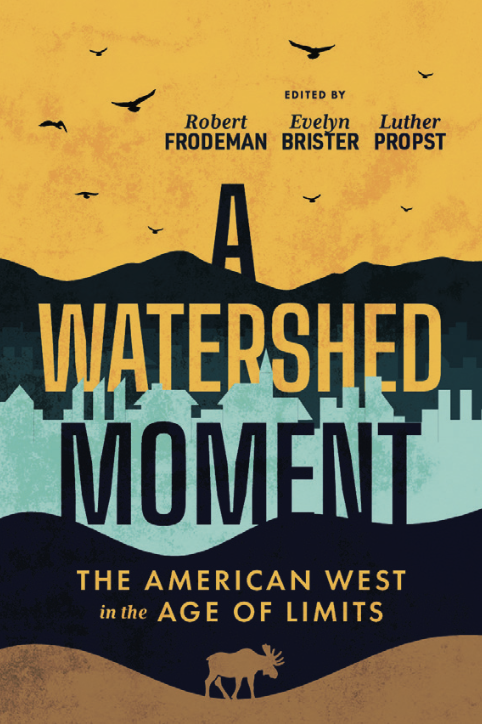
- A Watershed Moment: The American West in the Age of Limits, with volume editors Robert Frodeman and Evelyn Brister, and contributors Seth Arens and Bonnie Baxter. Cosponsored as a Wallace Stegner Center Green Bag Lecture at the S. J. Quinney College of Law.
Virtual events with authors included:
- A conversation with Luisa Del Giudice on Women's History and about her book, On Second Thought: Learned Women Reflect on Profession, Community, and Purpose.
- Inara Scott, editor of Sustainable Capitalism: Essential Work for the Anthropocene, held seven short talks with contributors to the book.
- A conversation on Mormon Biographies with Senior Editor Jedediah Rogers and authors Gregory Prince, Richard Saunders, Stephen Taysom, and Lindsey Hansen Park.
Award Winners

Slavery in Zion: A Documentary and Genealogical History of Black Lives and Black Servitude in Utah Territory, 1847-1862 by Amy Tanner Thiriot
Won the Evans Handcart Award from the Mountain West Center for Regional Studies, the Juanita Brooks Best Book in Utah History Award from the Utah Historical Society, and the Whittemore Best Documentary History Book Award from the John Whitmer Historical Association.
Like a Fiery Meteor: The Life of Joseph F. Smith by Stephen C. Taysom
Won the Best Book Award from the Mormon History Association and the Best Biography Award from the John Whitmer Historical Society.
Dale L. Morgan: Mormon and Western Histories in Transition by Richard L. Saunders
Was listed as a notable read from Utah Humanities and received the special designation of Finalist, Evans Biography Award.
Marriott Library Roundup
Library Employee Graduates with a Book Publication Under Her Belt
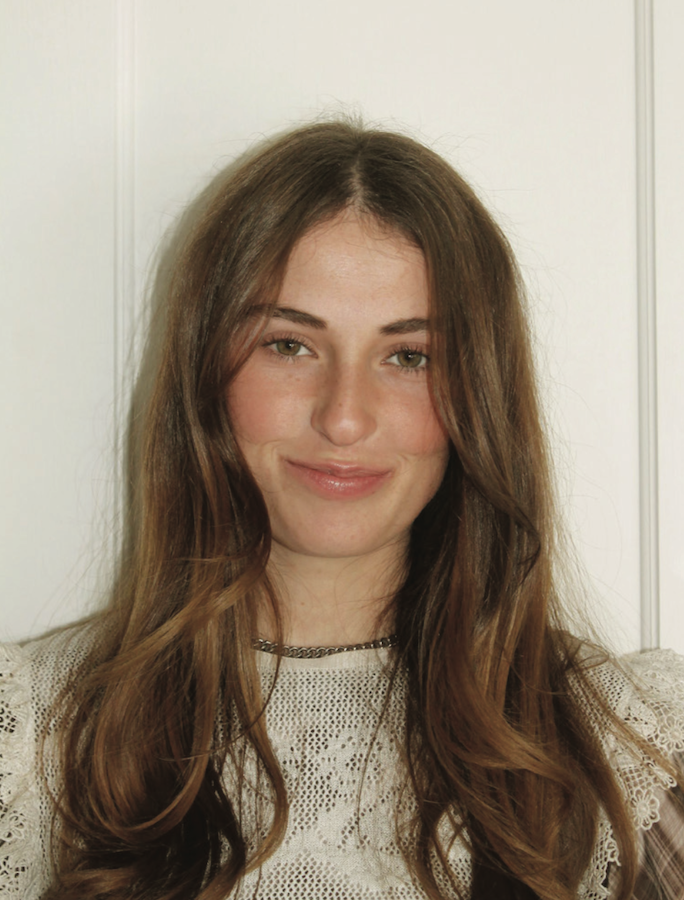
Graduating with any type and level of degree is a feat in itself. But Elise LeMonnier, a College of Fine Arts graduate who majored in Honors Art History and English and minored in Arts Technology, has published a book while working at the Marriott Library. She also has won the Outstanding Seniors Award from the College of Fine Arts.
The book that Elise and her co-worker Emma Day, also a student employee at the library, is titled Open Minds, Open Resources: The Student Perspective. It was published through the Utah Education Network Pressbooks Initiative as an Open Educational Resource (OER). This means that the book is published online and is accessible to anyone, with no cost involved.
"Elise took the student position in the library not knowing anything about OERs or open education. Yet, that did not slow her down in learning everything she could about OERs, Pressbooks, and about student perspectives on rising textbook costs," explains Elise's supervisor, Donna Ziegenfuss, teaching, research, and outreach librarian. "She made invaluable contributions to building OER awareness and designing a plan to help the Marriott Library move further next year. I have learned a lot from Elise and can't wait to hear about the successes of her future projects."
Construyendo Latinidades: Continuing on our Ancestors' Legacies

Marylinda Gonzalez
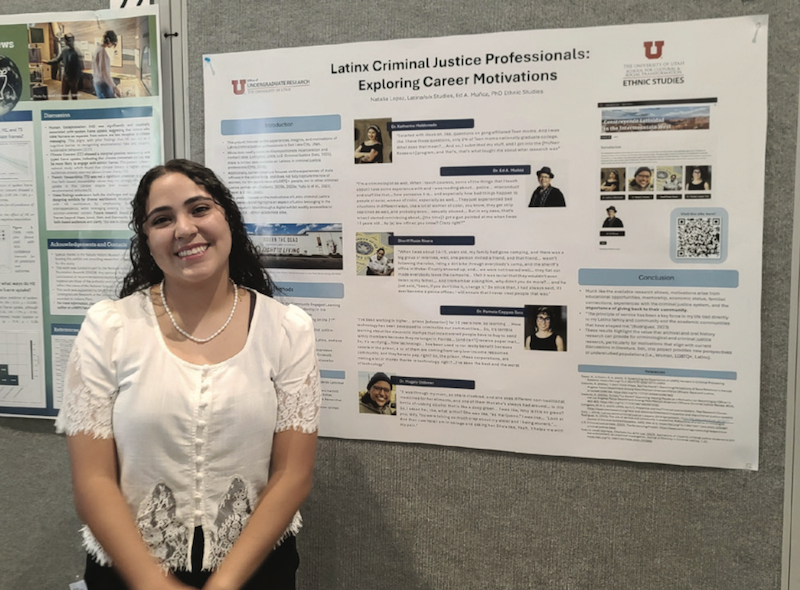
Natalia Lopez
The Marriott Library, in collaboration with Ethnic Studies, celebrated the Construyendo Latinidad (Constructing Latinx identity) project. Dr. Ed Muñoz has been developing community-based digital collections since 2022, when he founded the Construyendo Latinidad Oral History project in partnership with Digital Library Services and Marriott Library Special Collections. The project developed out of a traveling museum exhibit Professor Munoz curated in collaboration with the Wyoming State Museum and the Wyoming State Archives.
With community-engaged learning as a core teaching value, undergraduate students collected over 20 oral histories from Latinx Utahns and created a digital exhibit featuring the voices and stories of the Latinx community in Utah.
Children’s Picture Book Podcast Launched by Library Student Staff
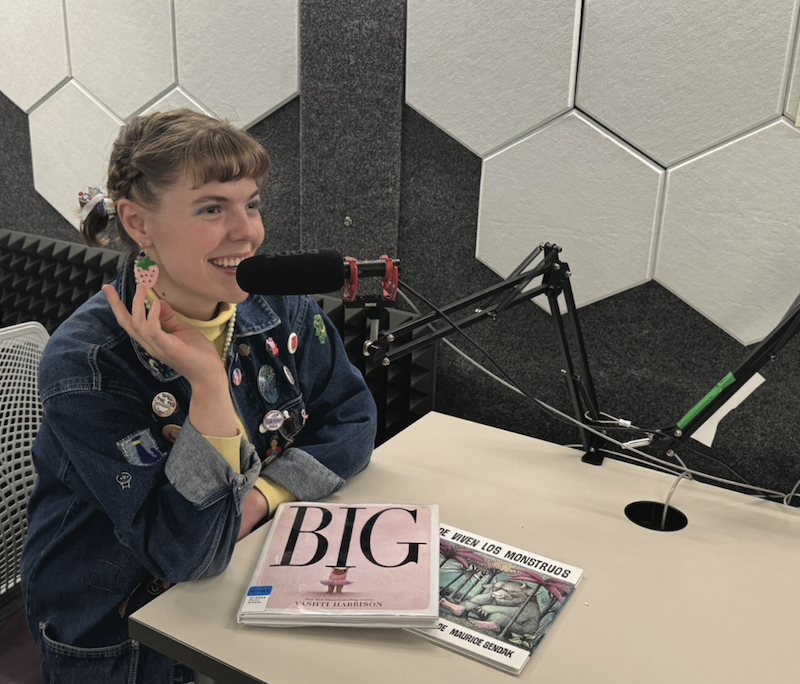
"Hi friends! Welcome to the Book Nook!" That's how Hannah Carr, Creativity and Innovation Specialist at the Marriott Library, begins episodes of her podcast, The Book Nook. The weekly podcast highlights different illustrators such as Caldecott Medal and Coretta Scott King Book Award-winning author Vashti Harrison for her book Big. Carr explains that her love for picture books started when she was young. "It’s been my dream to write and illustrate children's books my entire life. When I was little, I would fold pieces of printer paper in half and make my own books."
Hannah Carr created The Book Nook using tools found in ProtoSpace at the Marriott Library such as podcast booths and editing computers.
"The podcast booths have great microphones and the sound is amazing," explained Carr. "It's a really cozy space where I feel comfortable sitting and talking about what I love. Without the library's resources, I don't think I'd be able to start this podcast at all." The booth and editing tools are all free to use for current University of Utah students, staff, and faculty.
Archival Project Shines Light on Utah Women
Allison McCormack, librarian, and Hallie Oines, metadata specialist, began working on a project to improve access to the archives of Utah women in the Marriott Library in 2023. Funded by the National Historical Publications and Records Commission, the project involves researching Marriott Library archival collections and enhancing the corresponding records in the library catalog to make them easier for patrons to discover.
While some readers may have heard of the Aileen H. Clyde 20th Century Women's Legacy Archive, many important women’s archives fall outside of this collection. For example, documents written prior to the establishment of Utah as a state are not part of the Clyde Archive.
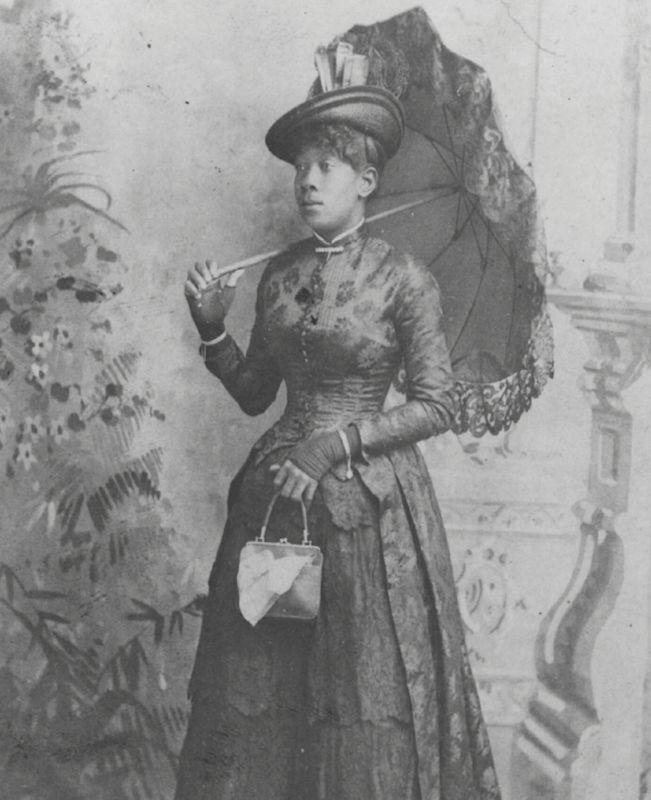
Lottie Campbell (sister of Sylvester Perkins and Mary Ann James)
McCormack's and Oines' efforts have made immediate improvements to the discoverability of these important collections.
Their enhancements have increased the number of subject headings in each record, which show what an archival collection is about, by 134%. Name headings, which point to the people or organizations who created the archival documents, have increased by 37%. "These headings not only help researchers search for relevant collections in the library catalog, but they show important links between collections by allowing library patrons to find disparate collections on the same topic that contain similar types of documents, or that were created by the same people," explains McCormack. "Of the 583 archival collections we've worked on so far, 131 were not previously represented in the library catalog at all."
Archives are key resources for people learning about the important accomplishments of Utah women. "These collections help all members of our community recognize themselves within Utah's history," notes Oines. "There were change-makers from a wide variety of backgrounds." While many of the stories contained in the archives are not widely known, they all represent the strength, resilience, and creativity of women in Utah throughout the ages.

Photo of an early Utah kindergarten teacher, Mrs. Anna Elizabeth Richardson Jones
